
About Antigua & Barbuda
The twin island nation of Antigua & Barbuda is set in the heart of the Eastern Caribbean, making it a regional hub with direct flights to major cities in North America, Europe and the UK.
A former British colony, independent since 1981, English is the main language. The country retains an English common law system and a Westminster-style political structure.
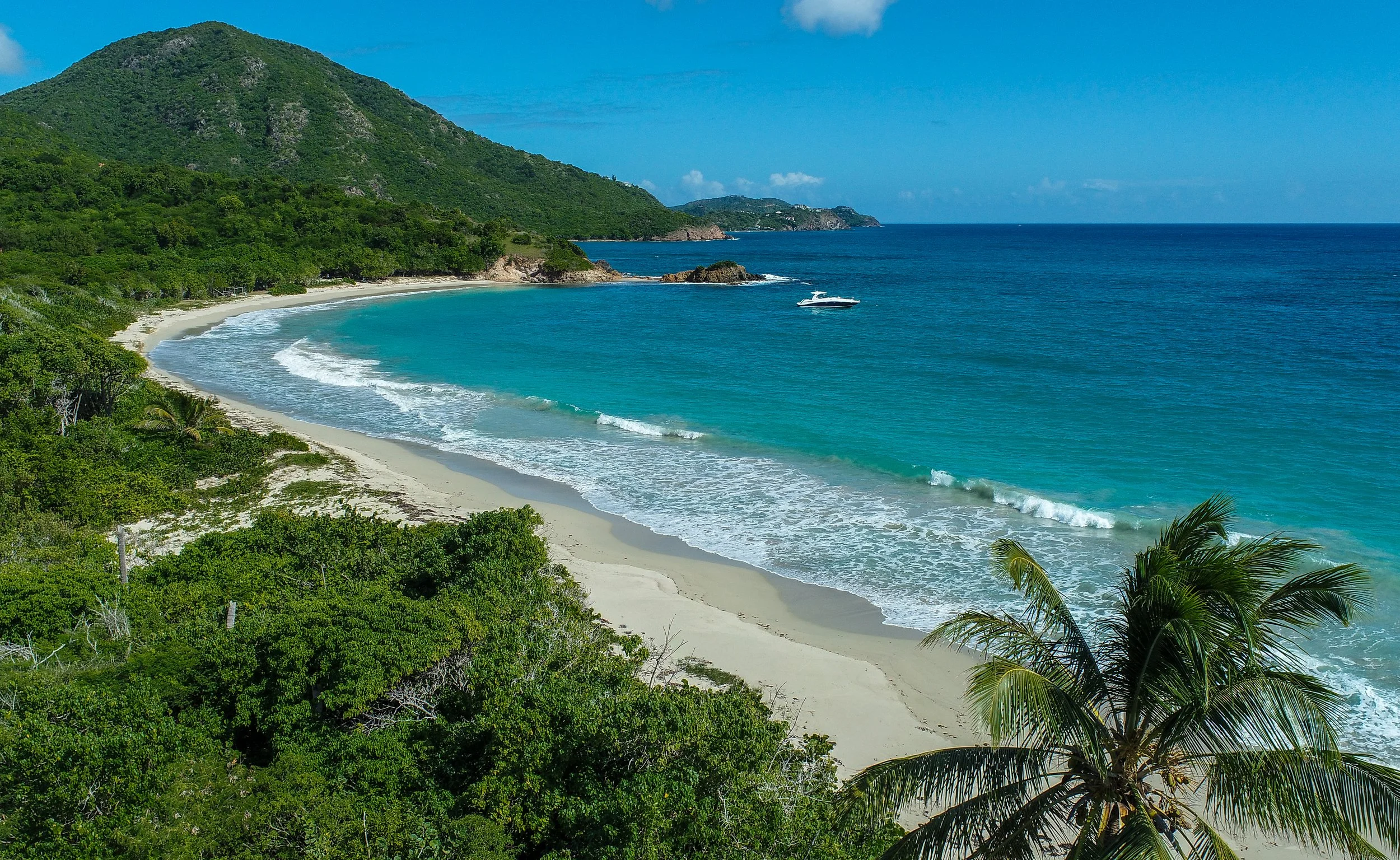
Antigua is said to boast 365 beaches – one for every day of the year – and is known worldwide as a yachting hub, hosting several major annual regattas.
The currency is the Eastern Caribbean dollar, pegged to the US dollar at a rate of 2.7 for convenience and economic stability.
Antigua & Barbuda is a safe and stable democracy with an economy largely hinged to tourism and associated service industries.
Antigua spans 108 square miles featuring lush hills, white-sand beaches, 18th century fortresses and vibrant residential communities. Its smaller, low-lying sister Barbuda is located 28 miles north, accessible by ferry and plane, and offers pink sand beaches, pristine lagoons, and the hemisphere’s largest nesting site for the magnificent frigatebird.
Things to see and do
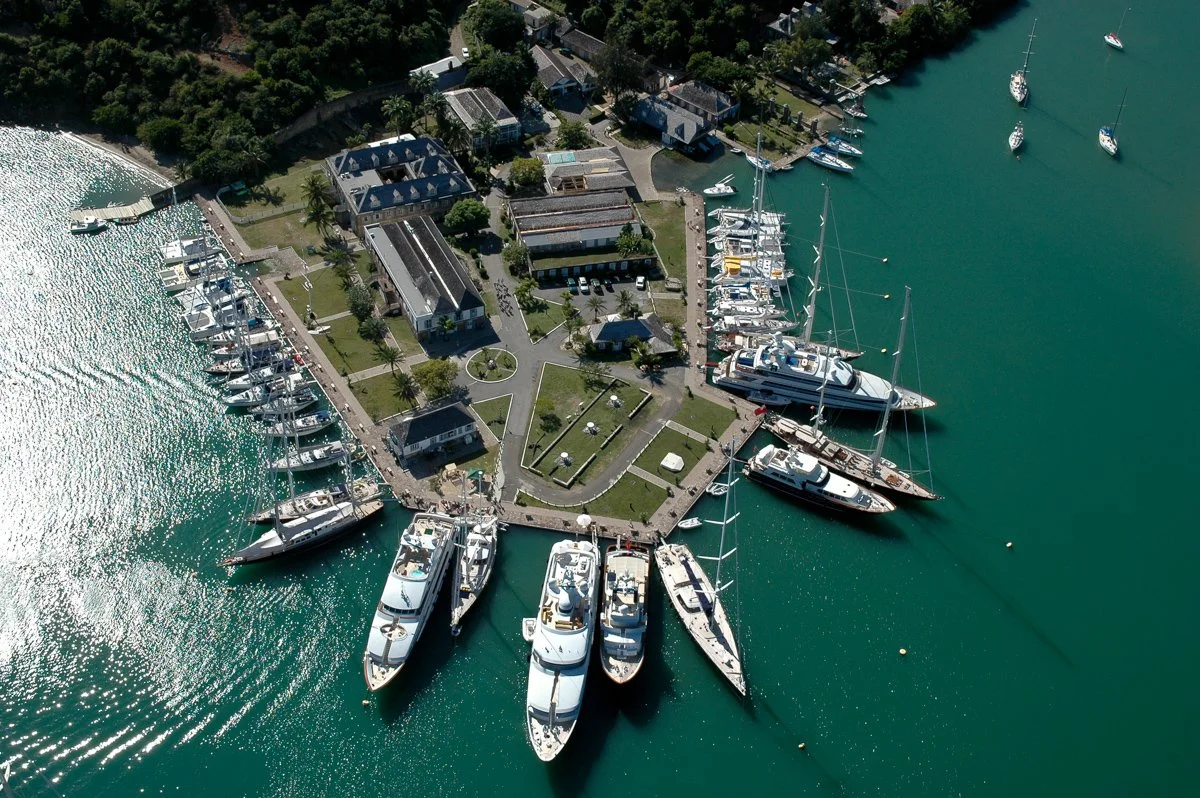
Antigua offers a wide range of activities to suit all tastes. In addition to ‘a beach for every day of the year’, there are numerous historical sites including the UNESCO World Heritage Site of Nelson’s Dockyard, the globe’s only continuously working Georgian-era dockyard.
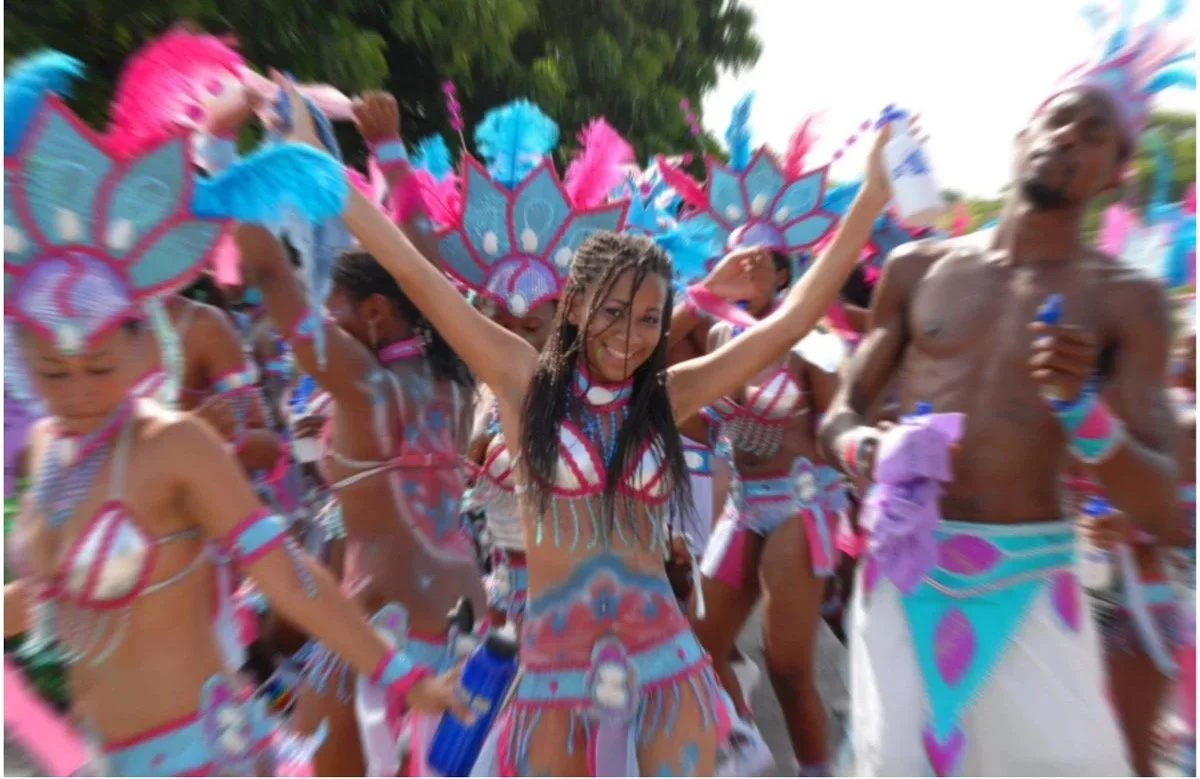
Enjoy fishing excursions, community cricket and football matches, snorkelling and scuba diving, kitesurfing and cycling. Other popular activities include swimming with wild stingrays and zip-lining through the rainforest. In late July and early August, the streets of St John’s are transformed into a kaleidoscope of colour during the annual Carnival celebrations.
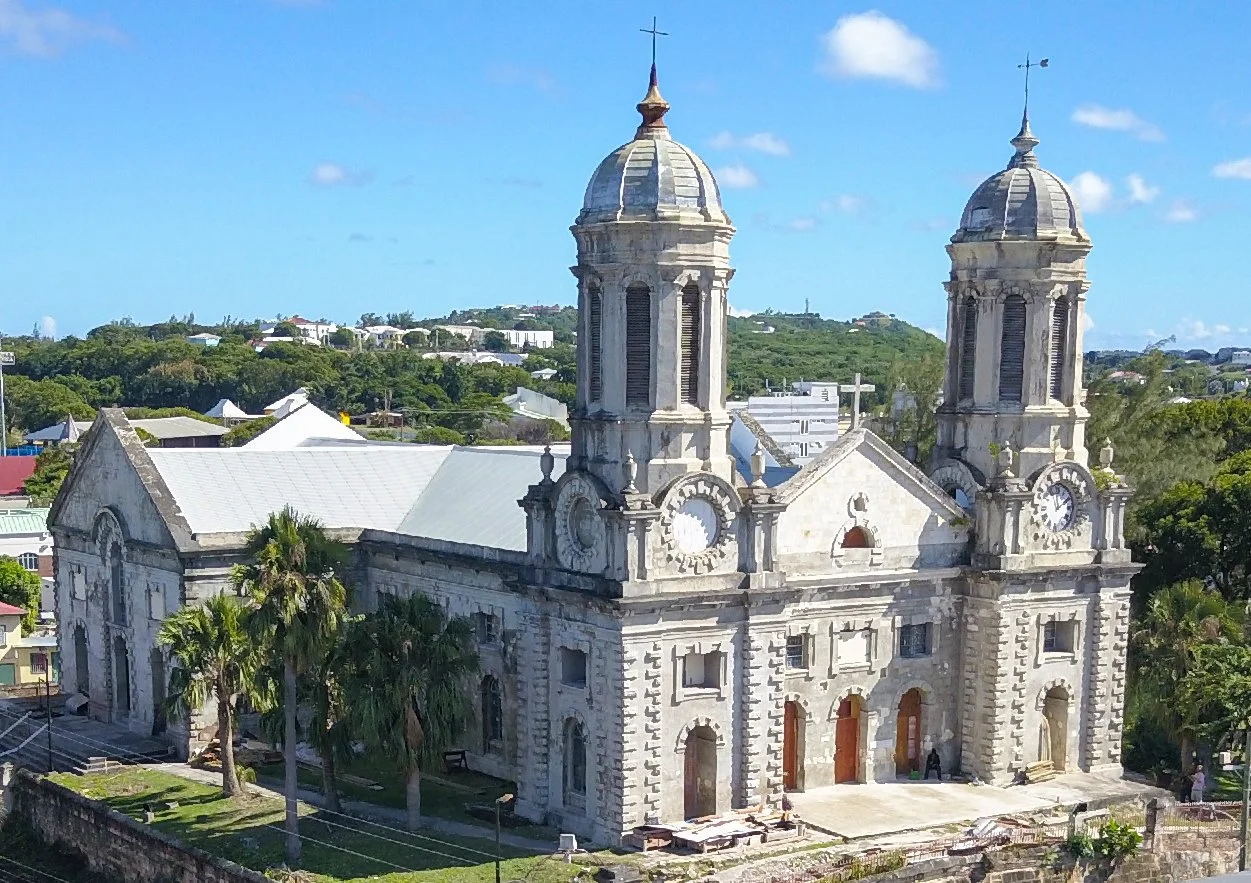
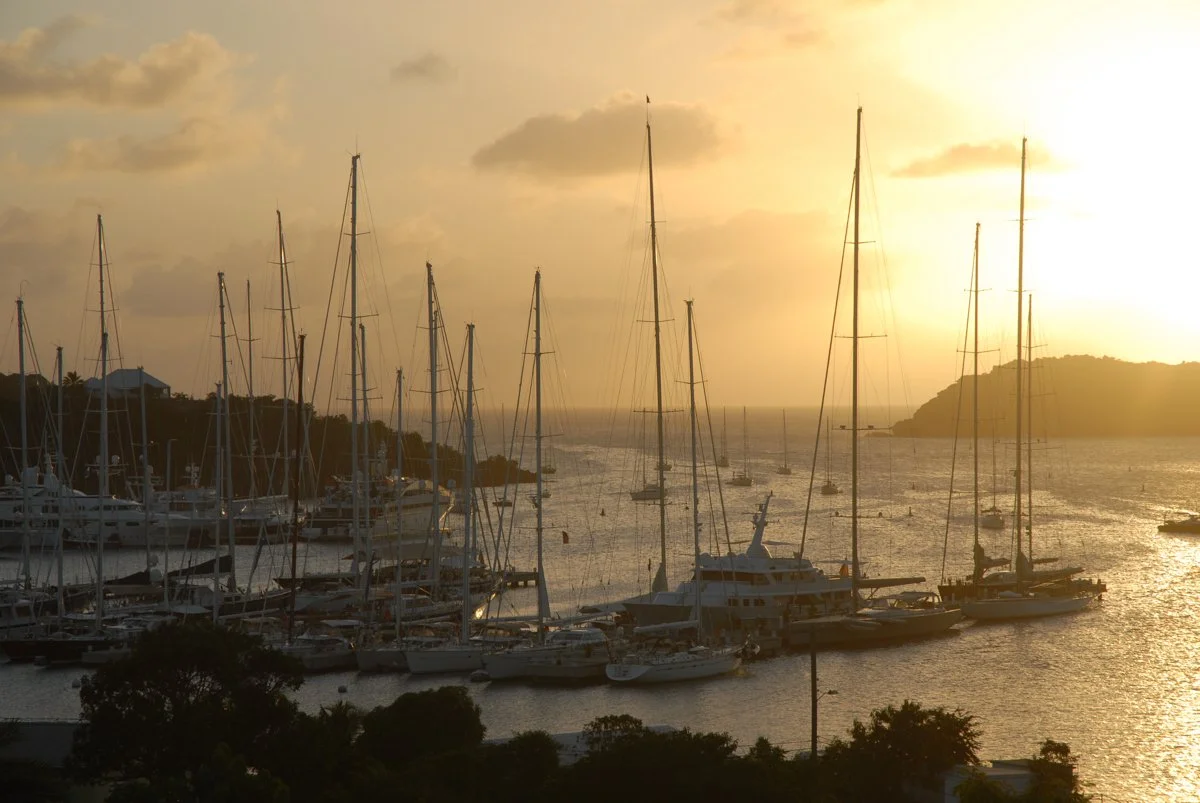
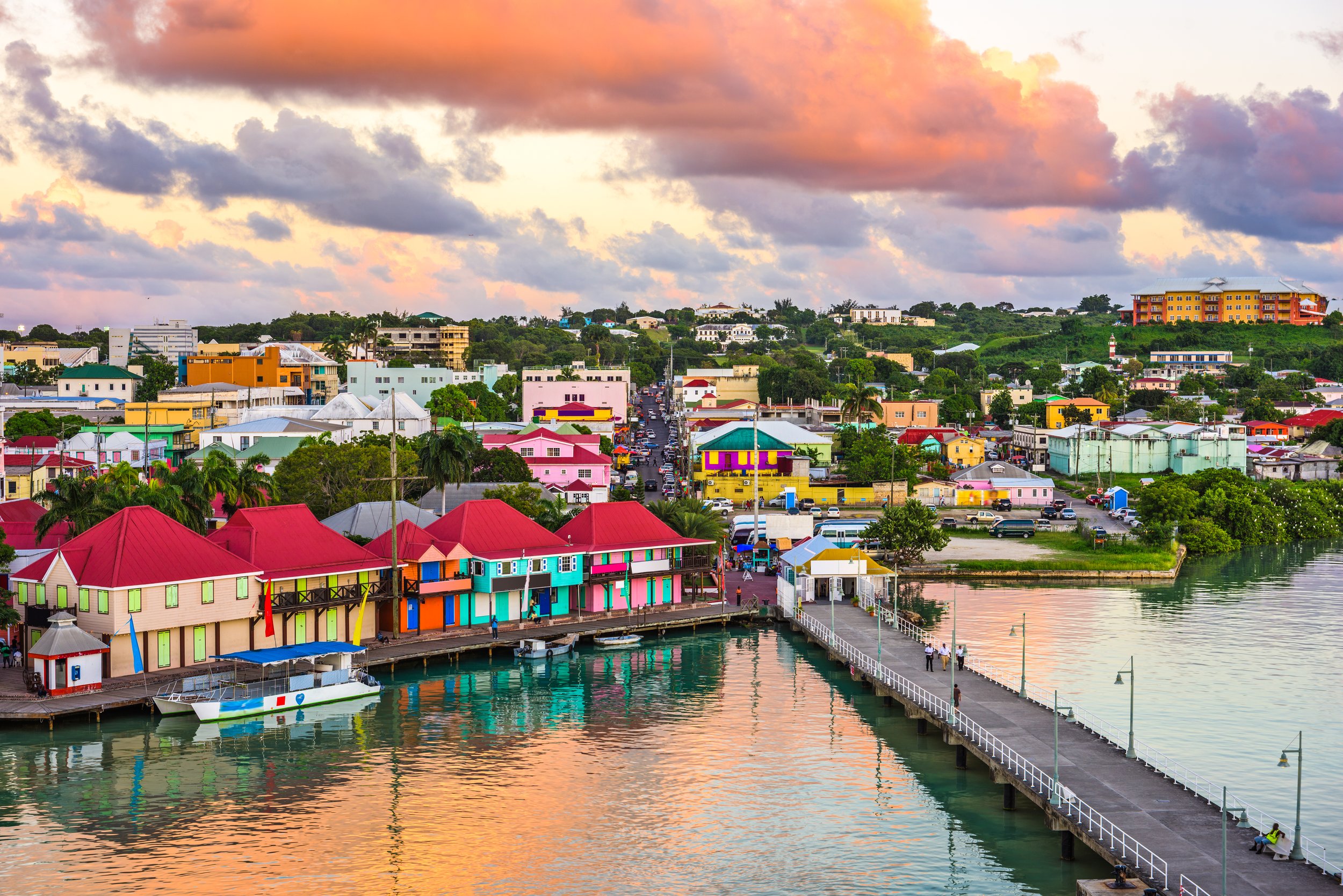
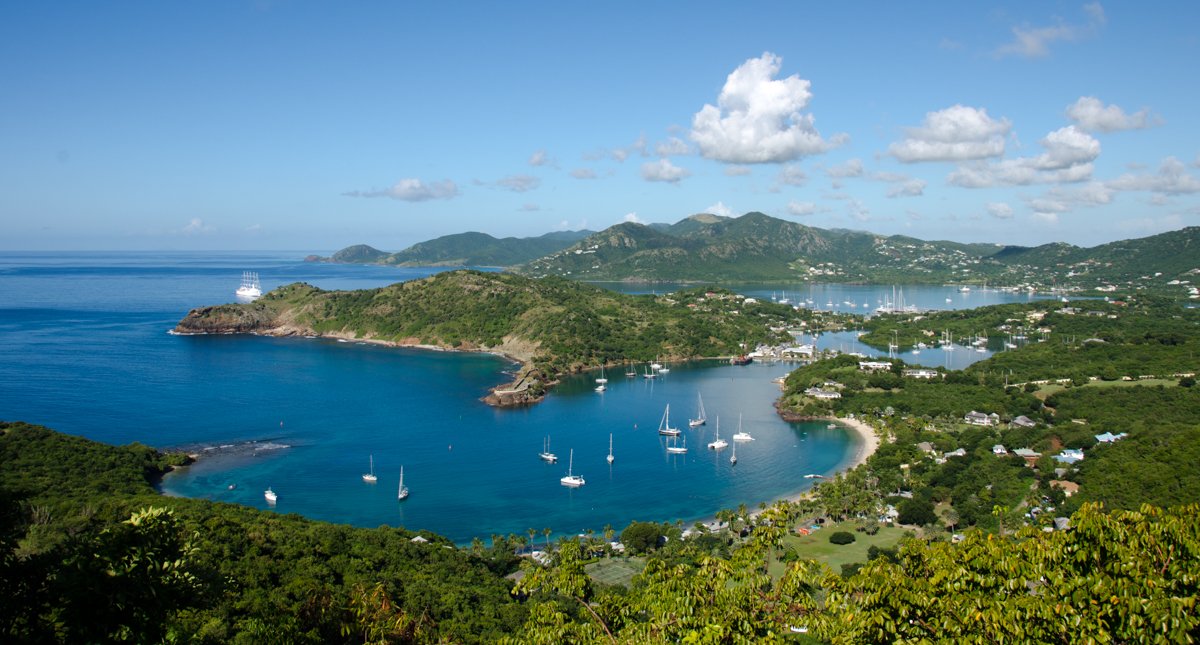
Browse the intriguing boutique shops of St John’s, such as those in the artisan area of historic Redcliffe Quay. Meander through well-maintained hiking trails like Carpenter’s Rock which leads all the way up to the landmark Shirley Heights. This 18th century military outpost is famed for its sensational vista overlooking English and Falmouth harbours, along with its energetic Sunday night party where revellers gather each week to enjoy live steel band music and a barbecue as the sun dips over the horizon. The 400m summit of Boggy Peak – the nation’s highest – is a moderate climb and affords excellent views along the way.